
5 min read
Are rug pads worth it? What they actually do for your rugs and floors
By Dan, owner & lead technician·Updated June 15, 2026
People ask if a rug pad is worth the extra money, and for almost every rug the answer is yes — it does more quiet work than anyone expects. A good one keeps the rug from sliding, protects both the rug and the floor underneath, and adds years to the rug's life. A bad, cheap one can actually damage your floor. Here's the difference.
Short answer
For almost every rug, yes — a quality rug pad is worth it. It stops slipping, protects your floor finish, and extends the rug's life by cushioning crush. Choose a felt-and-rubber pad, not a cheap PVC waffle one that can off-gas and stick to hardwood, and size it about an inch smaller than the rug on every side.
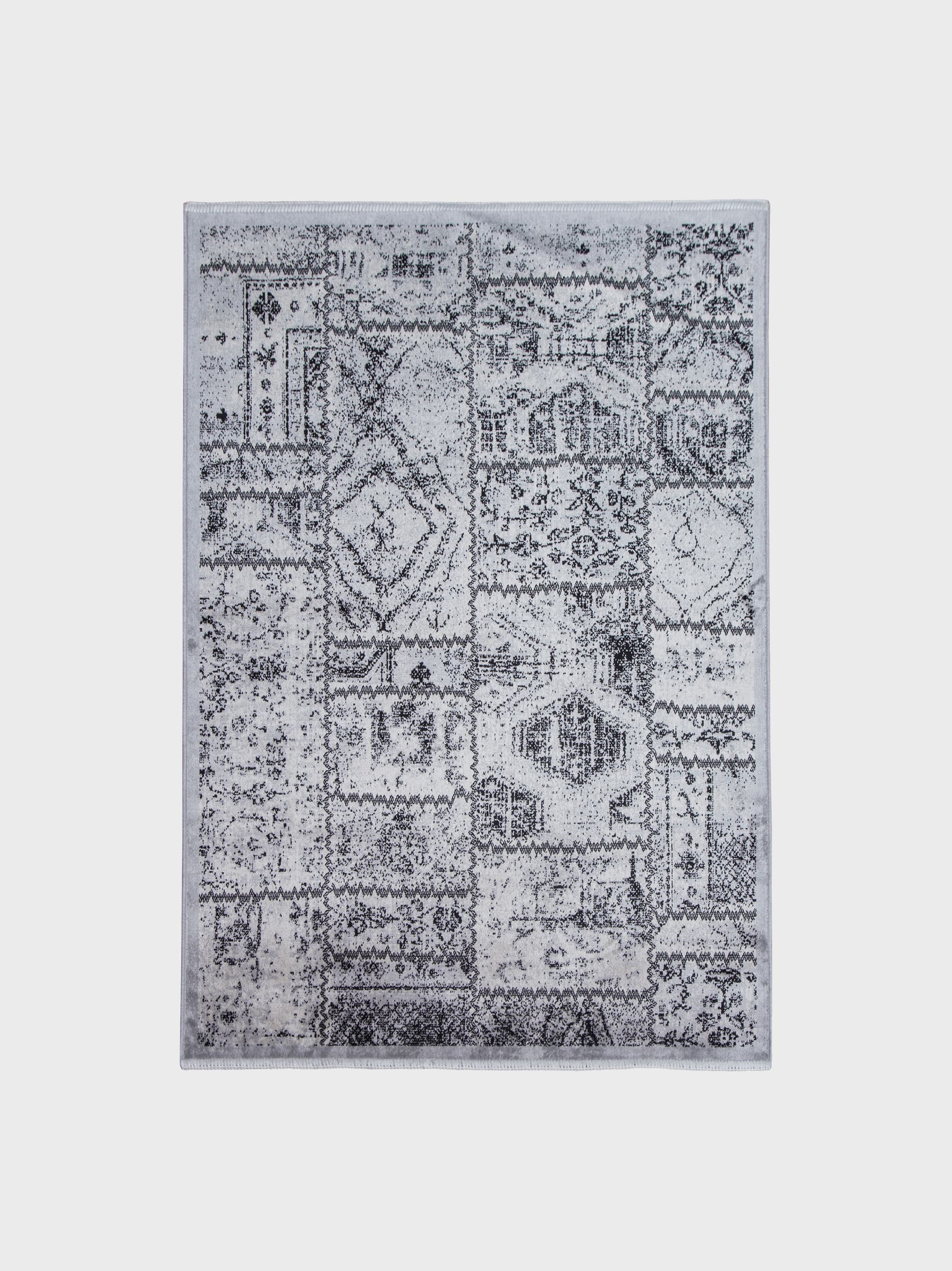
What a good pad actually does
A rug pad is one of those cheap things that earns its money several times over. People buy one to stop a rug sliding, then find out it was doing four other jobs the whole time. Here's the full list:
- Safety. It stops the rug — and you — from slipping, which matters most on hard floors, stairs, and anywhere older folks or kids walk.
- Floor protection. It keeps the rug's backing from scratching or scuffing hardwood and stops dye or color from the rug transferring onto the floor finish.
- Longer rug life. The cushion absorbs foot-traffic crush, so the pile compresses against soft padding instead of grinding flat against a hard floor.
- Cleaner vacuuming. A pad keeps the rug from shifting and bunching, so the vacuum stays in contact and the airflow can lift soil out of the pile.
- Air and comfort. It lifts the rug slightly so air moves underneath, and it makes the rug feel plusher and warmer underfoot.
How a pad extends the life of the rug
This is the benefit people overlook. Every footstep on a rug compresses the pile, and on a bare hard floor that crush has nowhere to go — the fibers get mashed flat against an unforgiving surface, and over the years the high-traffic lanes wear out far faster.
A pad puts a layer of give under the rug so each step is cushioned. The pile springs back instead of grinding down, the foundation flexes instead of cracking, and the rug holds its look and structure years longer. On a good wool or hand-knotted rug, that protection alone is worth far more than the pad costs.
Felt-and-rubber vs. cheap PVC pads
Not all pads are equal, and the cheap ones can do real harm. The thin PVC or plastic waffle-style pads sold for a few dollars feel like a deal until they fail. In a warm room they can break down, off-gas, and chemically stick to a hardwood finish — and peeling that residue back up can pull the finish with it. Some leave a yellow or cloudy haze on the floor that's a genuine project to remove.
What you want is a natural felt and natural rubber pad. The felt layer provides the cushion and protects the rug; the rubber layer grips the floor without glue-like adhesion. It costs more, but it won't damage your floor, it lasts for years, and it does every one of the jobs above properly. On hardwood especially, this is not the place to save ten dollars.
Sizing it right
A pad should sit about an inch in from the rug's edge on every side — so for a rug that's 8 by 10 feet, a pad close to 7 feet 10 inches by 9 feet 10 inches. That keeps the pad hidden under the rug and lets the edges lie flat to the floor instead of riding up on a pad that's too big.
If your pad is a little large, that's fine — most felt-and-rubber pads cut easily with scissors or a utility knife, so you can trim it down at home. Too small is the bigger problem: the rug's edges sit unsupported and are more likely to curl, ripple, or trip someone.
The honest exception
Not every rug needs much of a pad. A thin, flat-woven or low-pile rug — a flatweave, a kilim, an indoor-outdoor mat — has little pile to crush and often lies flat enough on its own, so a thick cushioned pad can make it feel lumpy or sit too high. For those, a thin grip-only pad that just stops sliding is usually plenty.
And a rug that's already wall-to-wall furniture-pinned or sitting on top of carpet has different needs again. But for the common case — an area rug with real pile on a hard floor — a quality felt-and-rubber pad is one of the best small investments you can make in both the rug and the floor under it.
While we're on rug care
A pad protects a rug; it doesn't clean one. If your rug is due for a real cleaning — especially a wool, hand-knotted, or viscose piece — that's an off-site dusting and wash, not something a pad or a home machine handles. A good pad just means the rug you're sending out has more life left in it when it comes back.
Owner-to-owner: buy the felt-and-rubber pad once, size it right, and you won't think about it again for years — and your floors and your rug will both quietly thank you for it.
Related service
Area Rug Cleaningin Lyndhurst & nearby NJ →Synthetic rugs cleaned on-site; wool, hand-knotted, and viscose go off-site for an immersion wash. Free pickup and delivery in Lyndhurst.
Rugs in your town
Free written quote
Text a photo, get the real price — before we ever drive over.
Area Rug Cleaning starts at $89 (per area rug). Dan prices every job from photos, so the number you get is the number you pay — no surprise upcharges at the door. Fastest way: call or text (551) 205-5995.